The Benefits of Soil Stabilisation
Reduce Excavation and Disposal
Where suitable, stabilisation can enable existing soils to be retained and reused within the development. This reduces the volume of material requiring excavation, off-site transportation and disposal, helping to avoid unnecessary waste and associated costs.
Reduce Imported Materials
Making better use of suitable site-won soils and recovered construction materials can reduce reliance on imported virgin aggregates. This supports a more efficient use of resources and can simplify material supply requirements across the project.
Improve Ground Performance
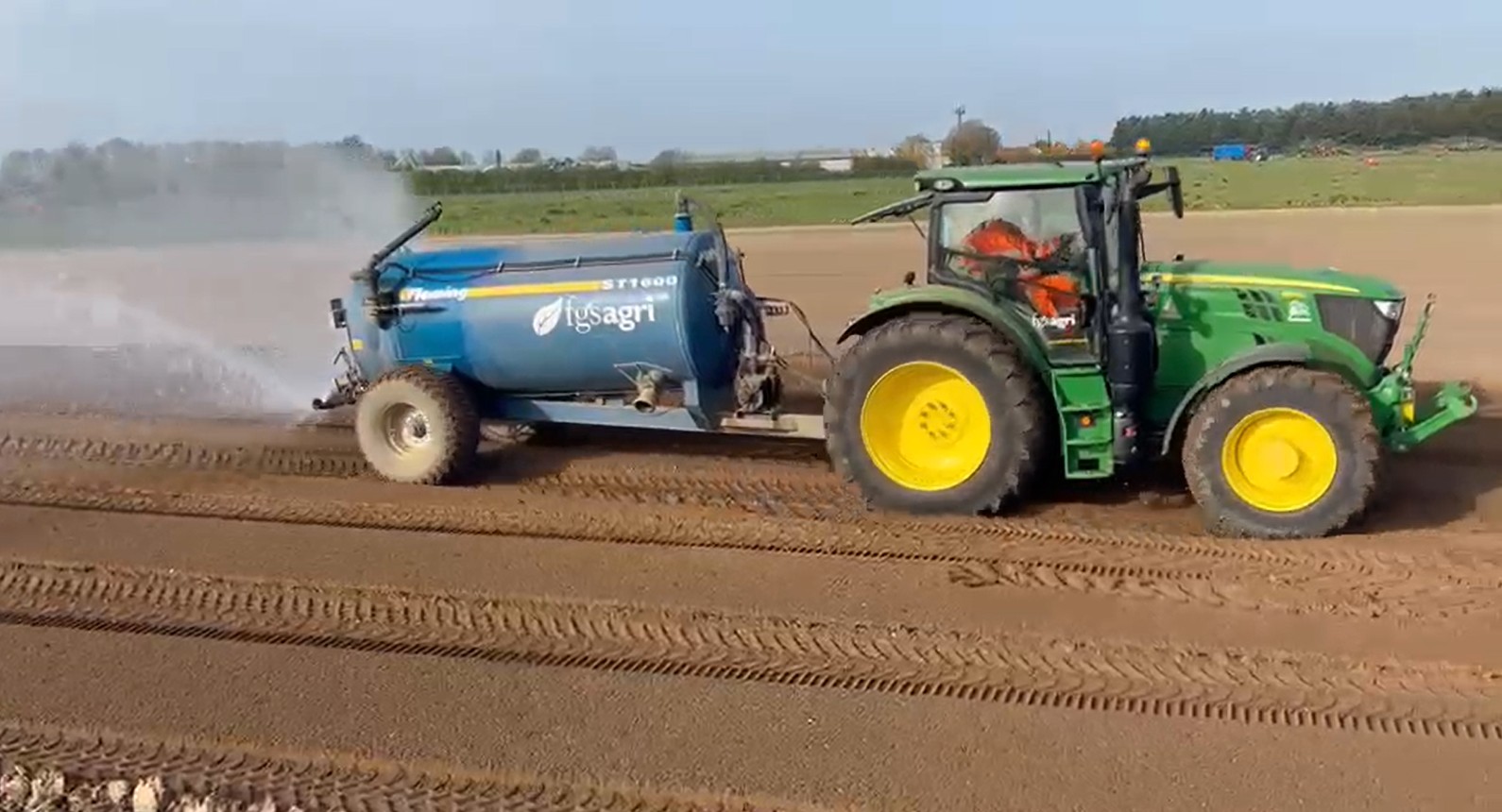
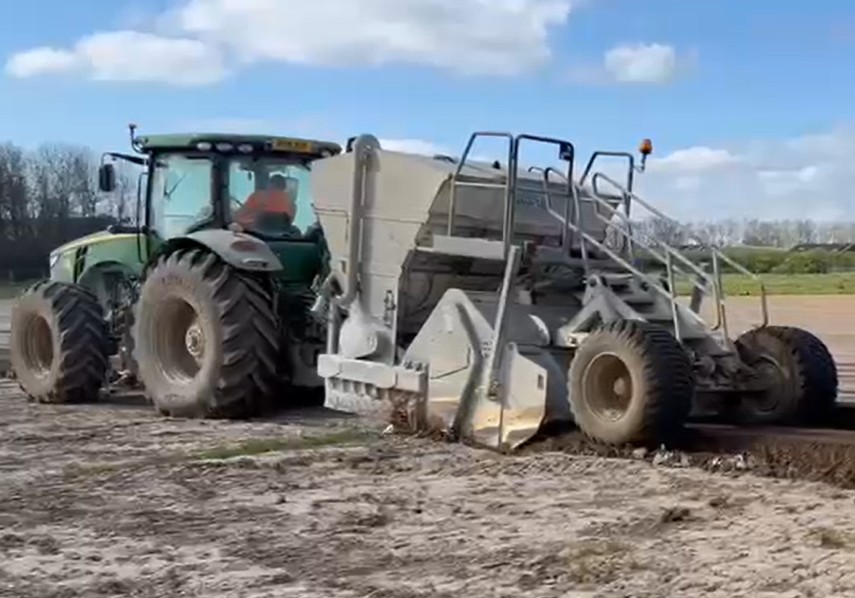
Treatment can improve the workability, strength and moisture sensitivity of suitable soils, helping to prepare ground for construction activities. The appropriate treatment and performance requirements must be established through testing and project-specific design.
Support Programme Efficiency
Reducing the need to remove unsuitable material and import replacements can simplify earthworks operations and reduce reliance on external haulage and disposal facilities. Depending on the ground conditions and treatment requirements, stabilisation can also help recover areas affected by wet weather more efficiently.
Lower Transport Requirements and Carbon
Retaining and treating materials on site can reduce vehicle movements associated with importing aggregates and transporting excavated soils off site. Combined with the reduced demand for virgin materials, this can contribute to lower embodied carbon across the construction process.
Support Circular Construction
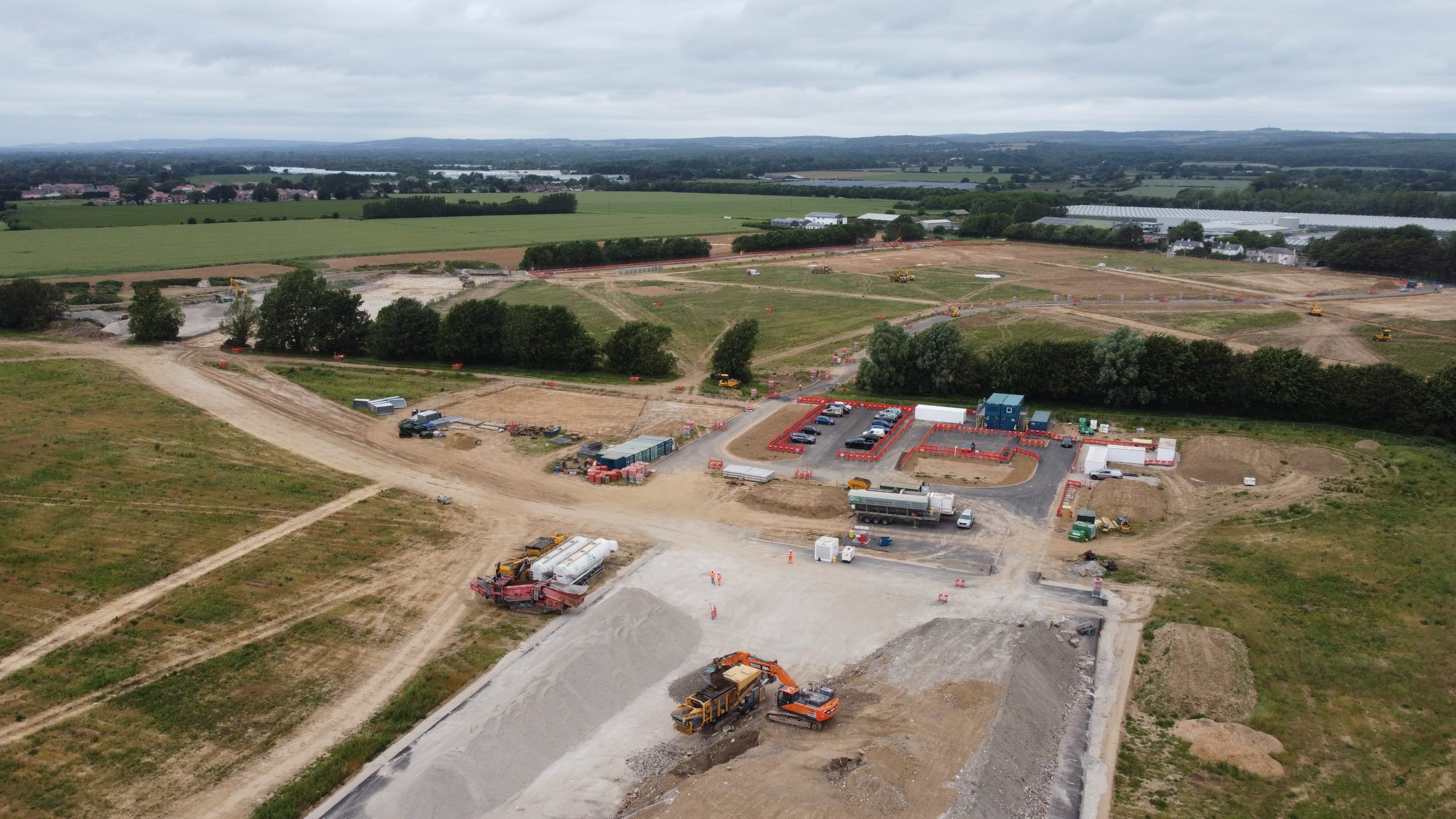
Soil stabilisation forms part of a broader circular approach to construction, where suitable existing materials are recovered, treated and reused rather than discarded. When integrated with crushing, screening and material processing, it can help unlock further value from resources already available within the project boundary.