
Coal tar was widely used as a binder in UK road construction and surfacing until the 1980s, before being replaced by petroleum-based bitumen. As a result, older roads and carriageways that have seen limited maintenance may still contain tar-bound materials.

When these roads are resurfaced, milled or excavated, the resulting planings can contain Asphalt Waste Containing Coal Tar (AWCCT). Unlike conventional bitumen-bound asphalt, AWCCT is classified as hazardous waste due to the presence of polycyclic aromatic hydrocarbons (PAHs), including carcinogenic compounds such as benzo[a]pyrene.

For highway authorities and contractors, this can create a significant challenge. Material that would otherwise be recycled as reclaimed asphalt may require specialist handling, testing, treatment and disposal. However, with the right approach, tar-bound arisings do not necessarily have to become a disposal problem.

OCL Regeneration provides a compliant route for the treatment and beneficial reuse of coal tar-contaminated road planings, helping clients reduce waste, minimise the use of virgin materials and lower whole-life carbon.
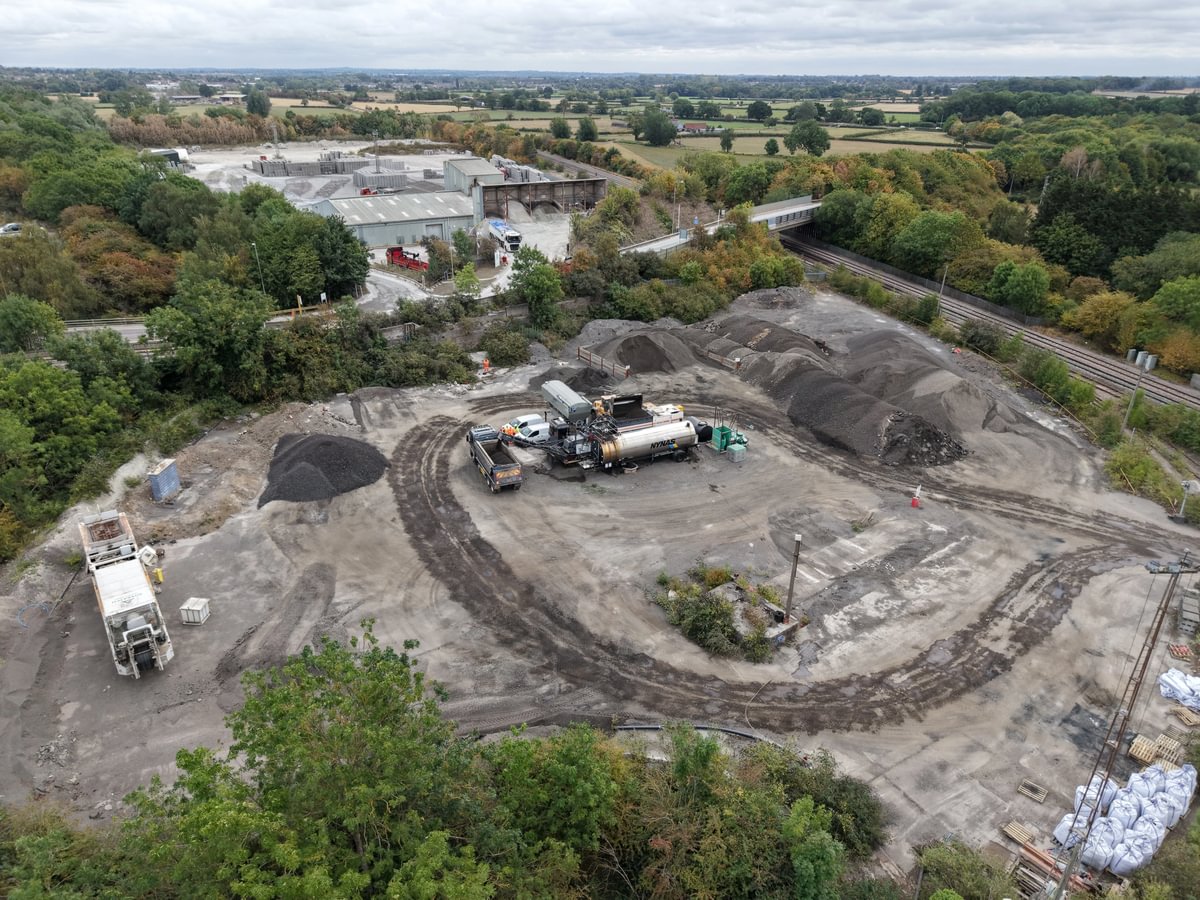
Why is coal tar a problem?

Coal tar contains significantly higher concentrations of PAHs than conventional bitumen. When older road surfaces containing coal tar are disturbed, the resulting arisings need to be correctly assessed and classified before a suitable treatment or disposal route can be established.

Under the UK waste classification system, bituminous mixtures containing coal tar are classified as hazardous waste under waste code 17 03 01*. Non-tar-containing bituminous mixtures are classified separately under 17 03 02.

This distinction is important during highway maintenance. Without early investigation and appropriate waste planning, contractors can face:

  • Additional sampling, testing and waste classification requirements
  • Specialist handling and storage requirements
  • Increased transportation and disposal costs
  • Loss of potentially reusable aggregate
  • Additional carbon associated with haulage and disposal
  • Greater reliance on virgin construction materials

Early investigation is therefore key. Core sampling and laboratory analysis can identify the presence and concentration of tar before resurfacing works begin, allowing the material management strategy to be developed as part of the project rather than once the waste has already been generated.

From hazardous waste to recycled road material

OCL takes a closed-loop approach to AWCCT.

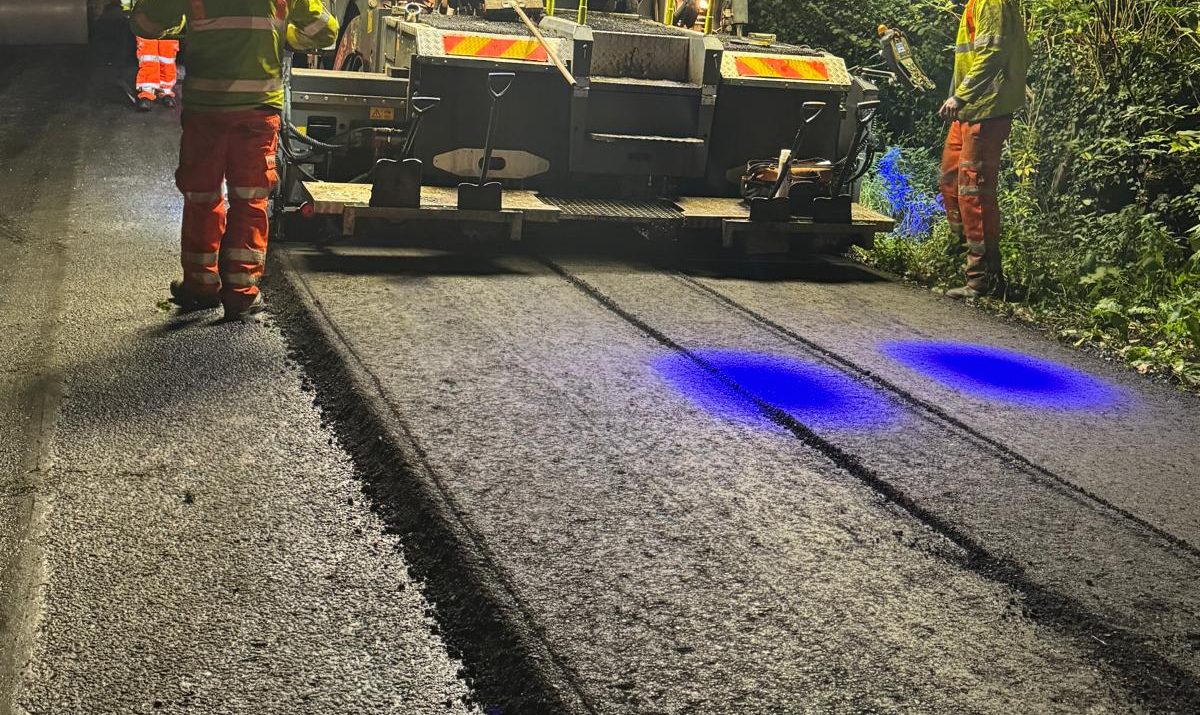
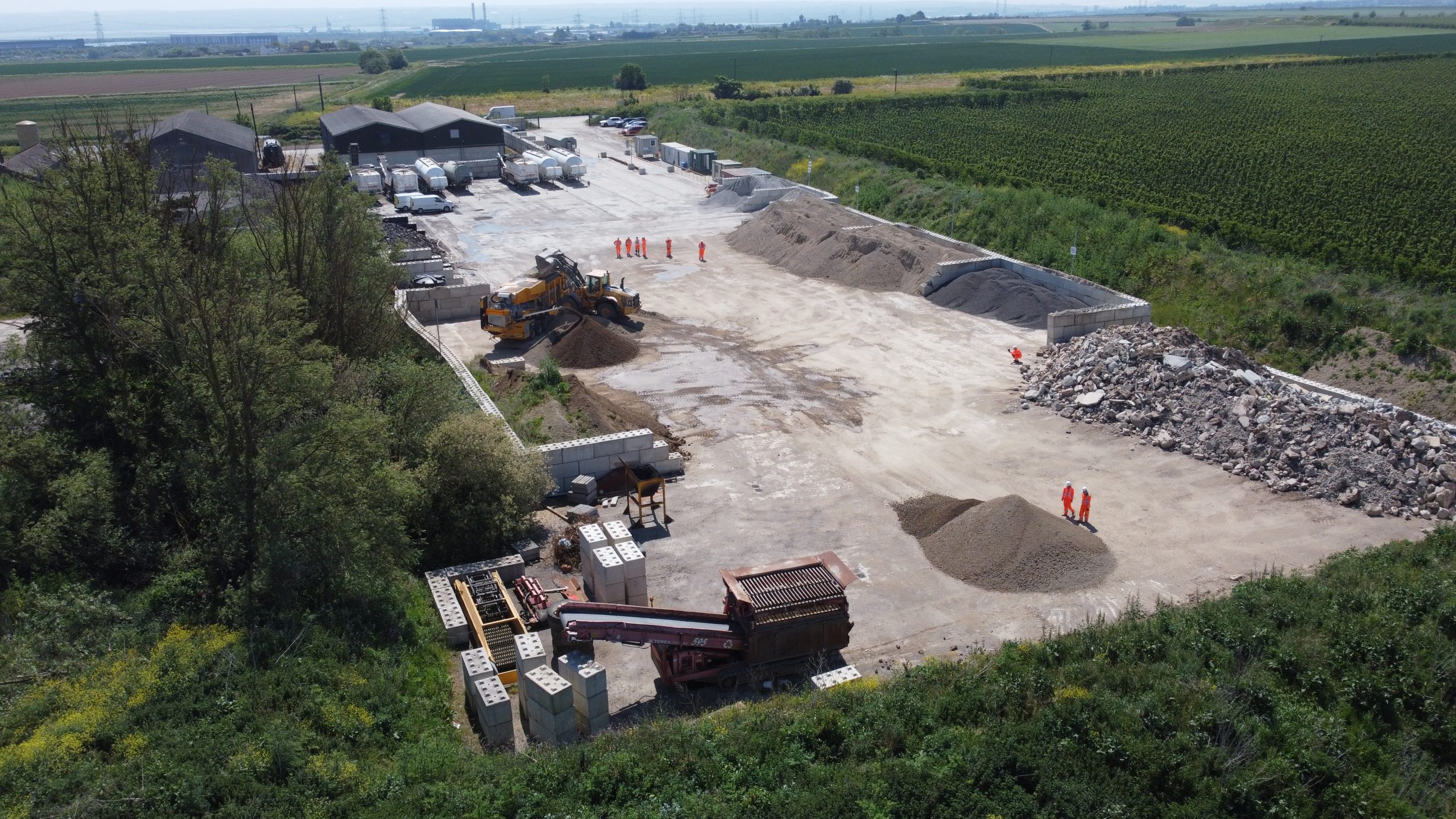
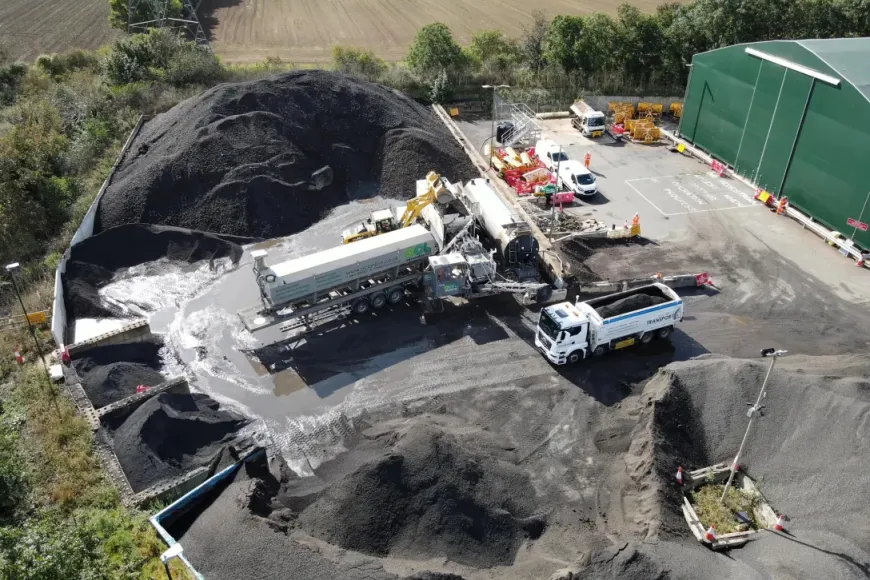
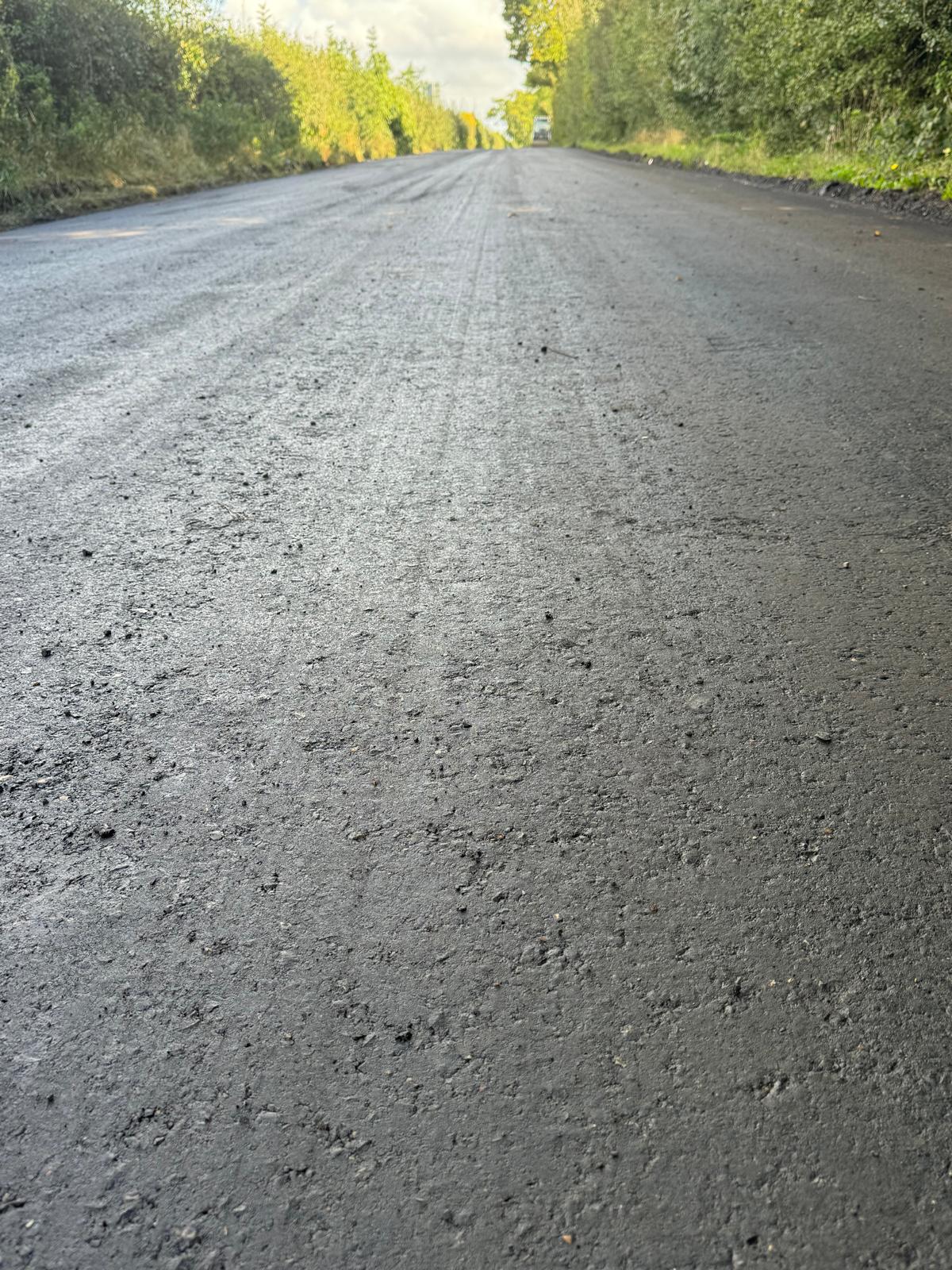
Rather than treating tar-bound planings simply as a waste product destined for specialist disposal, OCL can process suitable material through a controlled recycling process. The planings are crushed and graded before being combined with foamed bitumen, cement and water to produce a cold recycled bound material suitable for use within the lower layers of road construction.

This approach encapsulates the tar-bound material within the bound pavement layer, providing a practical route for its beneficial reuse while retaining the aggregate within the construction cycle.

OCL’s Foambase® / Foamix solutions can incorporate high levels of recycled material and are designed for use in base and binder applications. Current Environment Agency guidance allows treated AWCCT to be used in bound sub-surface construction layers, subject to the applicable regulatory and specification requirements. It must not be used in surface applications or minor highway repairs.

The result is a more circular approach to road maintenance:

Existing road → recover → process → bind → reuse

rather than:

Existing road → excavate → transport → landfill → import virgin materials

A lower-carbon alternative to disposal

Reusing tar-bound arisings can provide benefits beyond waste reduction.

Keeping recovered aggregate within the construction cycle reduces the demand for virgin quarried materials and can reduce the number of vehicle movements associated with waste disposal and the import of replacement materials.

OCL’s approach is aligned with its wider Plan > Process > Pave philosophy: identify opportunities early, maximise the value of materials already available and develop a compliant solution around the requirements of the project.

OCL has demonstrated the potential of this approach on highway schemes, including the A32 strengthening and improvement works in Hampshire, where the reuse of AWCCT delivered reported 48% cost savings and 50% carbon savings for the project.

Compliance comes first

The treatment and reuse of AWCCT is subject to specific environmental and waste-management requirements. The current Environment Agency RPS 157 sets out conditions relating to the storage, treatment and use of asphalt waste containing coal tar. Treated AWCCT remains classified as hazardous waste after treatment and its use is subject to the relevant regulatory controls and specifications.

OCL’s experience in waste compliance, material processing and recycled construction materials enables clients to develop a practical route from investigation and classification through to treatment and reuse.

Our specialist facilities and permitted operations provide a controlled environment for processing challenging highway arisings, while our technical expertise helps ensure the resulting materials are suitable for their intended application.

Don't send your old road to landfill

Coal tar may be a legacy of Britain’s historic road network, but the materials associated with it can still have value.

With the right testing, planning and treatment process, AWCCT can become a feedstock for recycled road construction rather than simply a hazardous waste stream.

OCL Regeneration combines waste management, material recycling and highway engineering expertise to help clients find compliant, cost-effective and lower-carbon solutions for tar-bound road planings.

Have a coal tar or AWCCT issue on an upcoming highway scheme?

Talk to OCL about testing, treatment, recycling and reuse of tar-bound arisings.

Download our online brochure

Download

Our Other Services

Crushing, Screening & Mixing

Learn More

Asphalt Wastes with Coal Tar

Learn More

SMR Regen® Service

Learn More

Value Engineering and Materials Advice

Learn More

Recycling Depot Services

Learn More

Surfacing

Learn More

Try the OCL carbon calculator

Carbon Calculator
  • Avetta Logo
  • Chas Logo
  • Construction Line Logo
  • ISO 9001 Logo
  • ISO 14001 Logo