OCL Regeneration is helping the highways sector significantly reduce carbon emissions through the successful delivery of Foamix® cold-lay asphalt on the A368 at Chelwood in Bath and North East Somerset. Delivered in partnership with VolkerHighways this scheme demonstrates how innovative materials and modern construction methods can provide durable highway solutions while supporting ambitious sustainability targets.
As pressure increases on local authorities and contractors to decarbonise infrastructure, traditional hot-mixed asphalt presents a clear challenge due to its high energy demand and associated emissions. For this scheme VolkerHighways selected OCL Regeneration’s Foamix® technology as a proven alternative capable of delivering performance, efficiency and substantial carbon savings.
The Solution
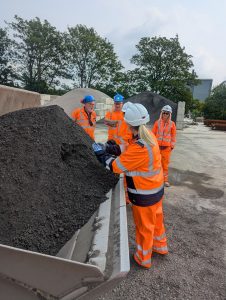
Foamix® is OCL Regeneration’s advanced cold-lay paving solution designed to maximise the reuse of existing road materials. By recycling aggregates directly on site and using foamed bitumen binder Foamix® removes the need for the energy-intensive heating processes. This approach dramatically reduces embodied carbon, cuts material transportation and minimises disruption while maintaining a high-quality and durable pavement.
Project Delivery
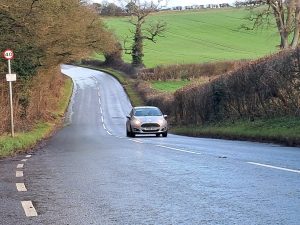
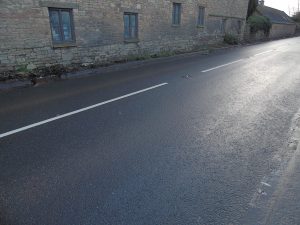
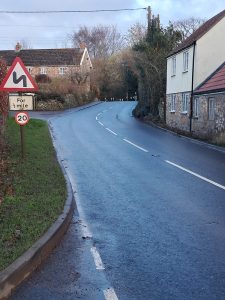
The A368 scheme was delivered over a two-week period in June 2022 using overnight closures to minimise impact on road users. In total approximately 22,500 square metres of carriageway were resurfaced replacing more than 1,500 tonnes of traditional asphalt. OCL Regeneration’s solution enabled much of the existing pavement material to be reused within the new surface reducing waste and the demand for virgin aggregates. Additional works including verge clearance, drainage repairs, ironwork replacement and high-friction surfacing, all delivered alongside the resurfacing to maximise programme efficiency.
The environmental benefits of Foamix® were clear, the cold-lay process achieved an estimated 50 per cent reduction in carbon emissions compared to conventional hot asphalt, equating to a saving of around 28.5 tonnes of Co²e on this scheme alone. These reductions directly supported Bath & North East Somerset Council’s carbon reduction commitments and reinforced VolkerHighways’ drive to adopt more sustainable construction practices.
The Outcomes
This project marked VolkerHighways’ first large-scale application of Foamix® on the contract and provided a strong demonstration of how OCL Regeneration’s technologies can be deployed on live highway networks. The success of the scheme has reinforced confidence in cold-lay asphalt as a practical, scalable solution for future maintenance and renewal programmes.
Through Foamix® OCL Regeneration continues to lead the way in low-carbon highways innovation. By combining in-situ recycling, reduced energy use and proven performance OCL is supporting clients and contractors in delivering safer, more sustainable road networks today and for the future.
The Review
‘We’re pleased to be using the Foamix sustainable solution to deliver essential resurfacing works to the A368, helping to reduce our impact on the environment.“
Jerry Pert
Operations Director – VolkerHighways
David Wood, the council’s cabinet member for neighbourhood services, said: ‘We’re always looking for new and innovative ways to deliver our essential works while still moving towards our goal of becoming carbon neutral.’
‘We know that using methods like this will help us tackle the climate emergency. We hope we can use this method in future projects to help our environment and save money.’
‘The work on the A343, with our partners, once again highlights a combined ambition to do all we can to reduce our carbon footprint across the district. The changes in technology and processes to achieve this reduction of 28.5 tonnes is impressive and we hope to continue this great achievement on future projects.’
Councillor David Wood
2026 Revisited
This section of the A368 runs through small villages and rural areas and carries HGVs, principally transporting agricultural supplies and products. Despite the traffic loadings and relatively tight turns, after four years service, the pavement structure is performing well with no evidence of weakness or failure, demonstrating the durability of the low-carbon material and value to the local authority.